
Getting pregnant naturally in Barcelona: advice and osteopathic support
The journey to pregnancy can be an exciting, yet challenging experience for many couples. When the process of conception takes longer than expected, questions and concerns about how to improve fertility and increase the chances of pregnancy may arise. In this context, osteopathy presents itself as a complementary approach that can offer benefits for fertility and the body's balance.
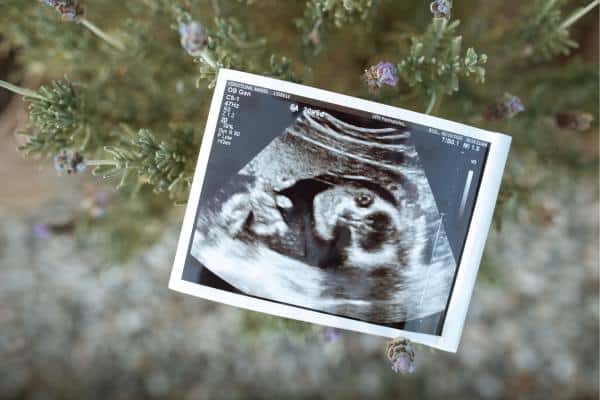
How do we accompany you to help you conceive?
Your osteopath in Barcelona can help improve your chances of getting pregnant.
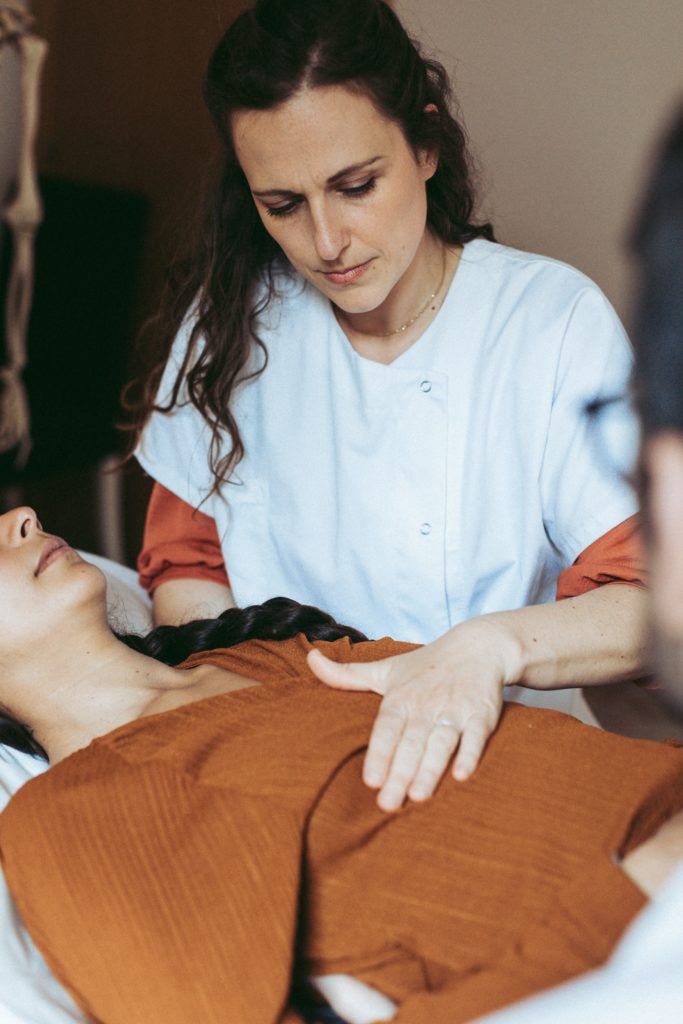
Osteopathy session for conception
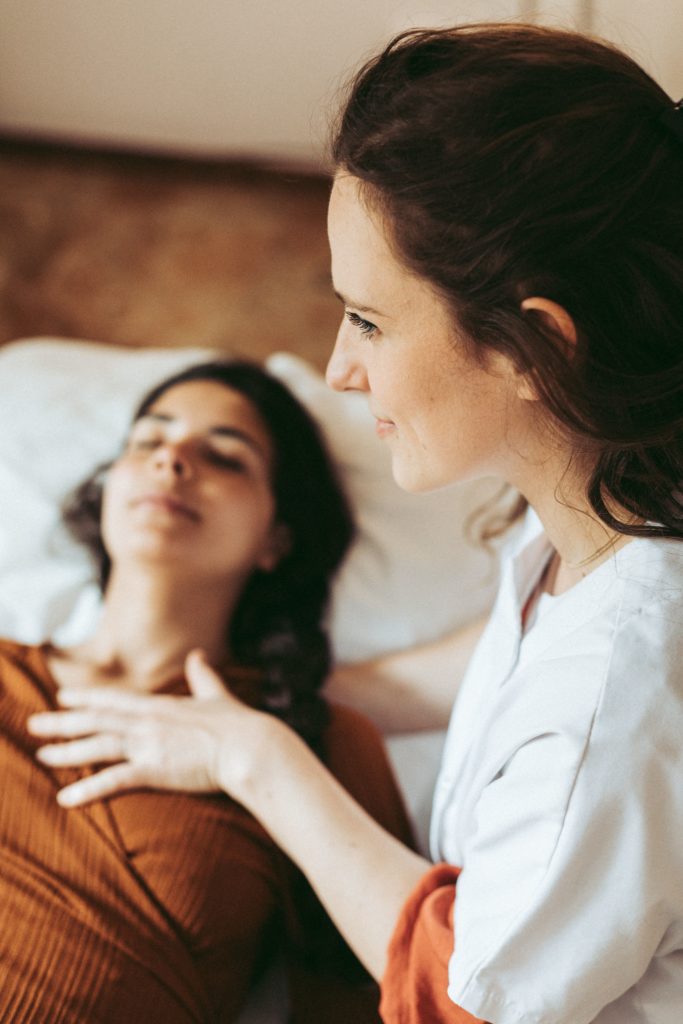
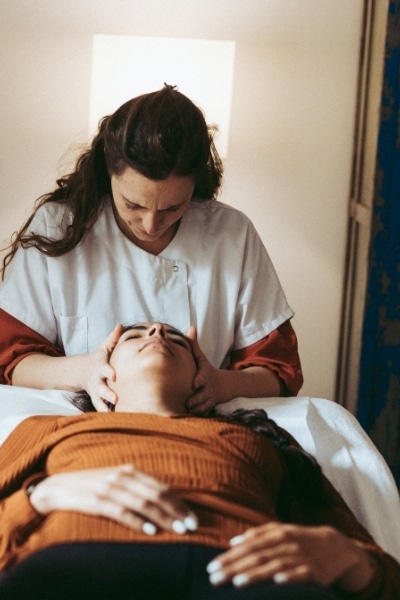
In an osteopathy session for conception, our specialists, Marina and Nicolas, focus on understanding your medical history, habits, and physical condition in order to provide you with the best possible treatment. Through touch, they assess and detect potential tensions or blockages that could affect your ability to conceive.
Focus on the endocrine system
During the session, particular attention is paid to potential blockages related to the endocrine system, meaning the glands responsible for producing key hormones for the reproductive cycle. Our osteopaths work to promote their mobility and correct function, and restore hormonal balance, which can increase the chances of conception.
Work on the autonomic nervous system
In addition, stresses on the autonomic nervous system, which plays a crucial role in the regulation of bodily functions such as reproduction, are addressed. Using gentle, non-invasive techniques, the aim is to improve the regulation of this system in order to optimise reproductive functions.
Osteopathy offers a holistic and natural approach to address potential physical and physiological barriers to conception. By improving the mobility and functioning of the body, osteopathy can increase your chances of becoming pregnant in a natural and healthy way.
Elimination of mechanical blockages
Osteopaths also focus on identifying and correcting potential mechanical restrictions that may affect the pelvic and reproductive areas. This can include muscle tension, joint restrictions, or any other dysfunction that may affect fertility.
Personalised recommendations
Based on their clinical experience and training in various complementary medicine disciplines, such as naturopathy, Chinese medicine and Ayurveda, our osteopaths can offer you personalised recommendations. These may include specific exercises, dietary advice or the use of herbal medicines to support your journey to conception.
Duration and additional recommendations
An osteopathic session for conception usually lasts approximately one hour. It is recommended to bring any medical analyses or tests you may have, along with other relevant examinations, to help the osteopaths better understand your situation. Furthermore, if you are hoping to conceive quickly, consider osteopathy as an integral component of your conception strategy. Osteopathy can also support you during pregnancy.
Integrating osteopathy into your conception journey
If you are looking to conceive, consider integrating osteopathy as part of your holistic approach to health and wellness.
With its gentle, whole-body approach, osteopathy can offer significant fertility benefits and help you achieve your conception goals in a natural and healthy way.

The impact of osteopathy on conception
Osteopathy, with its gentle and non-invasive approach, can positively influence fertility. By addressing potential tensions and blockages in the body that may affect the reproductive system, osteopathy helps to promote a suitable environment for conception.
Consult our osteopathic specialists to help you get pregnant
Our osteopaths Marina and Nicolas Fertility specialists are here to help you on your journey towards conception. With their expertise and personalised approach, they can provide you with the support and guidance you need to optimise your fertility and achieve your desired pregnancy.
Book your appointment in Barcelona today and take the first step towards realising your dream of becoming a mother.
Windows to conceive
| Conception window | Description |
|---|---|
| Fertility window | The period during the menstrual cycle when a woman is most likely to become pregnant. |
| Ovulation window | The time in the menstrual cycle when the ovary releases a mature egg, ready for fertilisation. |
| Fertile window | The time interval around ovulation when a woman is most likely to conceive. |
| Conception window | Critical period during the menstrual cycle when sexual intercourse should take place to maximise the chances of pregnancy. |
| High fertility window | The stage of the menstrual cycle when a woman has a high potential to conceive. |


How to get pregnant : frequently asked questions
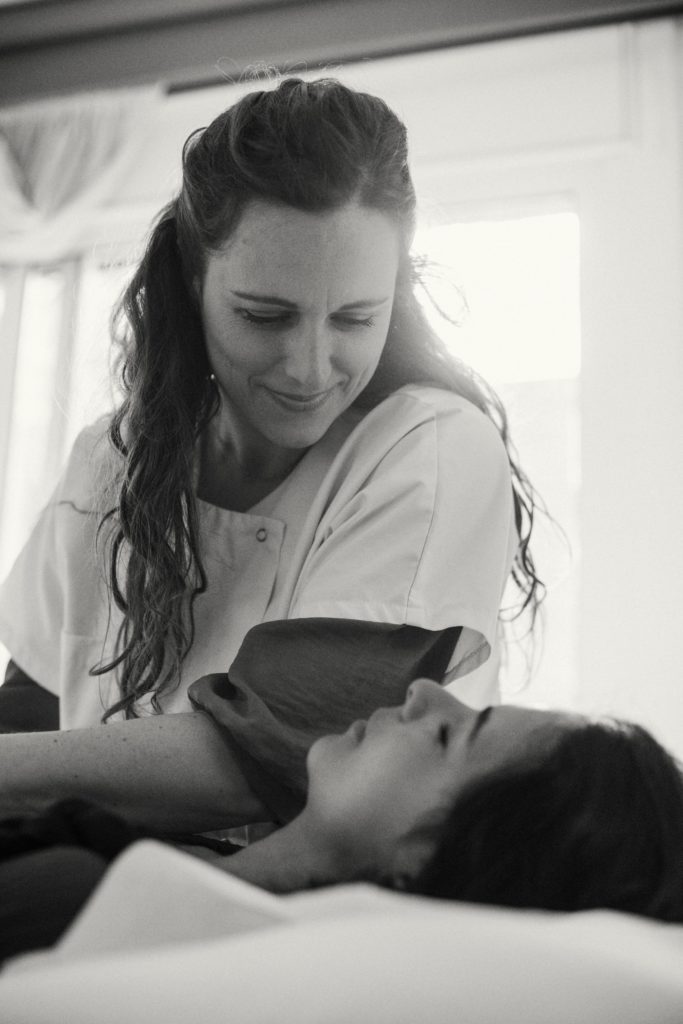
Nicolas and Marina answer your questions about osteopathy, pregnancy and conception.
- Having regular sexual intercourse during a woman's fertile period, which is usually around the time of ovulation.
- Lead a healthy lifestyle, including a balanced diet, regular exercise and avoiding stress.
- Follow an ovulation calendar to identify the most fertile days of the menstrual cycle.
- Consult a doctor to assess reproductive health and consider possible treatments or interventions if there are difficulties in conceiving.
It is not necessary to lie down after sex to increase your chances of getting pregnant. Sperm can move quickly to the cervix and uterus in a matter of minutes, so it is not necessary to lie down to help them on their way. However, some couples may choose to rest for a few minutes after intercourse to relax and enjoy the moment.
A woman's fertility can be assessed by home ovulation tests, which detect levels of luteinising hormone (LH) in the urine, which increases just before ovulation. In addition, a doctor can perform fertility tests, including blood tests to measure hormone levels and imaging tests to assess reproductive health.
It is important to note that fertility can vary and that not all tests are definitive. If you have concerns about your fertility, it is advisable to consult a fertility specialist.
There are no specific methods to stimulate the ovaries to become pregnant.
Maintaining a healthy lifestyle, including a balanced diet, regular exercise and avoiding stress, can help maintain ovarian health and improve the chances of conceiving.
In some cases, a doctor may recommend medication or fertility treatments to stimulate ovulation in women who are having difficulty conceiving due to ovarian problems.
Osteopathy in pregnancy is a form of complementary medicine that focuses on the treatment of tensions and imbalances in the body during pregnancy.
Osteopaths specialising in pregnancy use gentle, non-invasive techniques to relieve pain, improve mobility and promote general wellbeing during pregnancy.
Osteopathy can help relieve common discomforts such as lower back pain, pelvic pain, heartburn and bloating, and can also help prepare the body for childbirth.
Perform Kegel exercises regularly to strengthen your pelvic floor muscles. Practice prenatal yoga or Pilates to improve pelvic floor strength and flexibility. Consult a pelvic floor physiotherapist to learn specific exercises and relaxation techniques.
Consider antenatal osteopathy to help relieve tension and improve pelvic floor function during pregnancy.
The number of osteopathy sessions during pregnancy may vary according to the individual needs of each woman.
Some women may benefit from a single session to relieve acute discomfort or specific stresses, while others may opt for a longer treatment plan to address chronic problems or maintain general well-being throughout pregnancy.
It is important to work with an osteopath who specialises in pregnancy to develop a personalised treatment plan that is tailored to your specific needs and goals during pregnancy.