Back pain in Barcelona: natural relief with gentle osteopathy
Back pain has become one of the most common complaints in modern society. Often this pain is associated with spinal problems and leads patients to seek medical consultation.
Back pain can have several reasons; the most superficial are posture problems, especially among people who work sitting at a computer, or more profound, such as accumulated stress.
No wonder in popular parlance we say "he carries the house on his back".
Everything that impacts us in our daily life is registered in our body. Thanks to restful sleep and other sporting or artistic activities, we release a large part of our stress. But it has been observed that this is not enough.
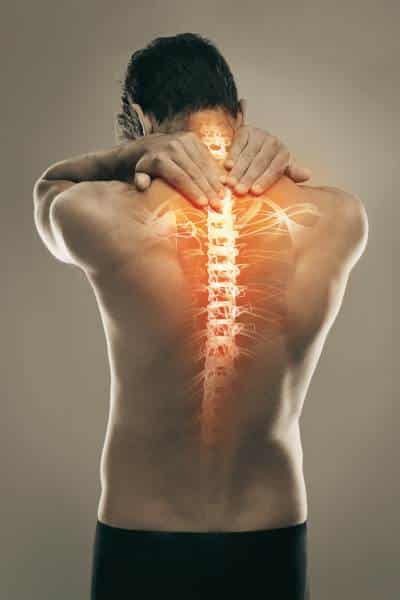
After a few months, or even years, the body manifests itself and sends signals in the form of spinal pain.
Thanks to our gentle and holistic approachwe can to bring lasting relief to our patients and also explain to them the origin of their problem so that they can, if they so wish, take action to change their habits and create new ones that favour their health.

Reasons behind back pain
Superficial problems: posture
Posture plays a crucial role in the health of our spine. Incorrect posture, especially when sitting for long hours, can cause muscle imbalances, strained ligaments and pressure on the intervertebral discs.
Tips to improve posture
- Workspace adjustment: make sure your chair and desk are at a height that allows you to keep your feet on the floor and your elbows at a 90-degree angle.
- Active breaks: get up and walk or stretch every 30 minutes to avoid stiffness and promote circulation.
- Strengthening exercises: incorporates exercises to strengthen the back and abdominal core, which will help to maintain correct posture.
Profound problems: stress
Techniques to manage stress and reduce back pain
- Meditation and deep breathing: practice relaxation techniques to calm the mind and reduce muscle tension.
- Recreational activities: find hobbies or activities that you enjoy and relax, such as painting, music or gardening.
- Regular exercise: exercise releases endorphins, which are natural painkillers and improve your mood.
Appointments can be made by telephone or by WhatsApp.
The different types of back pain
Back pain is a complex and multifaceted condition that can affect people of all ages and lifestyles. Depending on its origin, pain can be classified into different types, each with its own specific characteristics and treatments.
Understanding the nature of pain is critical to effectively addressing its underlying cause and finding appropriate relief. Back pain can vary significantly in intensity, from mild discomfort to debilitating pain that affects quality of life.
In addition, the duration of pain can be temporary or chronic, persisting for months or even years. The causes of back pain are diverse, including factors such as stress, poor posture, injury, musculoskeletal disorders, and degenerative conditions.
The appropriate treatment will depend on the specific type of back pain, as well as its underlying cause. It is therefore essential to identify the type of pain in order to apply the most effective therapy.
The impact of everyday life on our health
Our body registers everything that affects us in everyday life, manifesting itself through physical signs such as back pain. Activities such as restful sleep, sport and the arts can help to relieve some of this stress, but they are often not enough. Over time, the body begins to show signs of discomfort through back pain.
Healthy habits to promote spinal health
- Balanced diet!Eating a diet rich in natural anti-inflammatories, such as fruits, vegetables and omega-3s, can help reduce inflammation and pain.
- Hydration:Drinking enough water is essential to maintain the elasticity and health of tissues, including the intervertebral discs.
- Adequate rest:Make sure you get enough sleep in a position that doesn't put extra stress on your back.

Our solution: a gentle and holistic approach
Lasting pain relief
Through a gentle and holistic approach, we seek not only to relieve our patients' pain, but also to educate them about the underlying causes of their problems. This enables them, if they wish, to take steps to change their habits and adopt new behaviours that will promote their long-term health.
Osteopathy is a form of alternative medicine that focuses on the manipulation and movement of the muscles and skeleton to relieve pain and promote general health.
In the treatment of back pain, osteopathy plays a crucial role due to its holistic and non-invasive approach. This section delves into how osteopathy can reduce back pain, addressing the underlying causes and promoting the patient's overall well-being.
The role of osteopathy in reducing back pain
Holistic patient assessment
Osteopathic treatment begins with a thorough assessment of the patient, focusing not only on pain and symptoms, but also on lifestyle, diet and exercise habits. This comprehensive assessment allows the osteopath to understand the possible root causes of the patient's back pain, which can often be related to factors such as stress, poor posture and previous injuries.
Osteopathic techniques and their benefits for back pain
Once the patient has been assessed, the osteopath employs a range of manual techniques to treat the back pain. These may include:
| Osteopathic technique | Description | Expected benefits |
| Osteopathic manipulation | Controlled movements applied to joints to improve range of motion. | Improves mobility, reduces pain. |
| Mobilisation techniques | Gentle movements to mobilise joints and soft tissues. | Restores joint function, relieves pain. |
| Muscle stretching | Application of gentle forces to stretch tight muscles and improve circulation. | Reduces muscle tension, improves circulation. |
| Deep tissue massage | Massage focused on the deeper layers of muscle and connective tissue. | Releases deep tensions, promotes relaxation. |
| Patient education | Guidance on posture, ergonomics and exercises to maintain back health. | Promotes healthy habits, prevents future injuries. |
Focus on self-healing
Education and prevention
Long-term benefits
Integration with other therapies
Osteopathy can be effectively combined with other forms of treatment, such as physiotherapy, therapeutic exercise and acupuncture, to provide a more comprehensive and personalised treatment approach to back pain.
Osteopathy offers a comprehensive and personalised approach, emphasising the importance of self-healing, prevention and patient education. By focusing on the root causes of pain and promoting holistic health, osteopathy can be a valuable tool in managing back pain and improving patients' quality of life.




Frequently asked questions about osteopathy and back pain
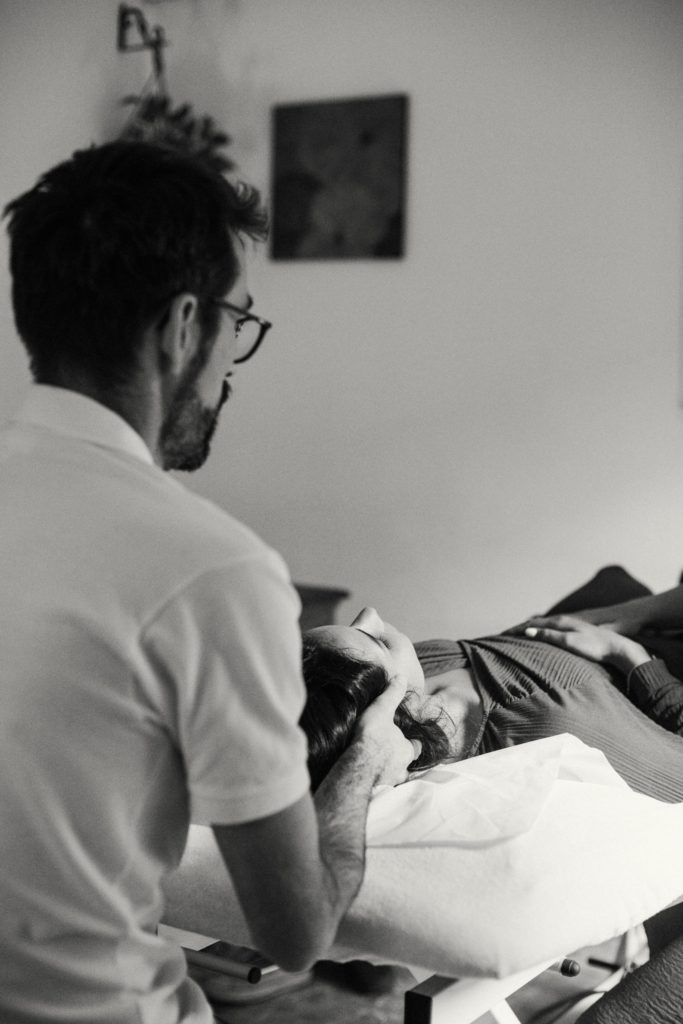
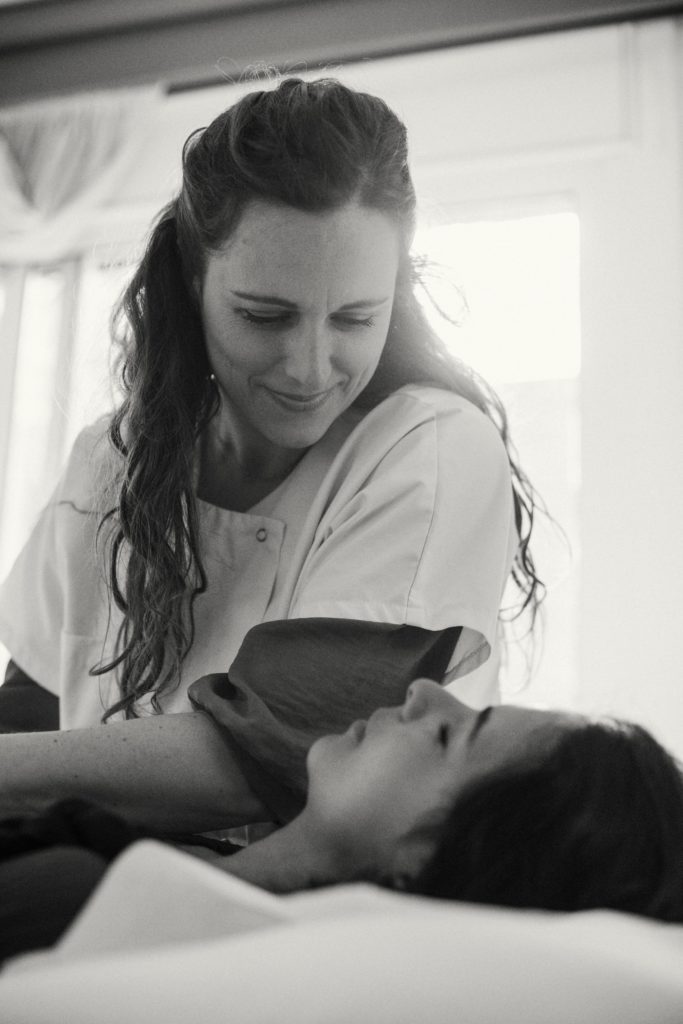
Nicolas and Marina answer your questions about osteopathy and back pain.
Can osteopathy help with back pain?
Yes, osteopathy can help to alleviate back pain when it is related to tension, restricted mobility, or the body's compensations. In our osteopathy practice in Barcelona, we work in a holistic and gentle way, seeking to understand why the back is suffering and which structures are involved in this imbalance.
What types of back pain do we treat in clinic?
We treat different types of back pain, such as lower back, thoracic, or cervical pain, as well as discomfort related to muscle tension, stress, poor posture, pregnancy, or everyday strains. Everyone has a different story, which is why treatment is always adapted to each patient's individual circumstances.
What is an osteopathy session for back pain like?
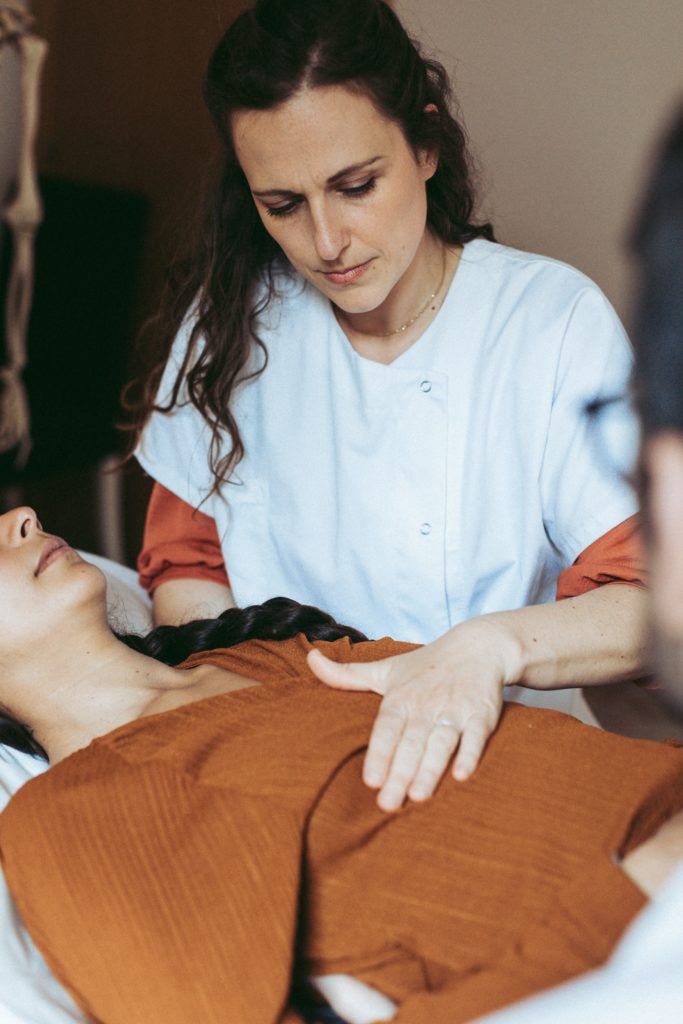
A session begins with a precise listening to the symptoms, the history of the pain, and the general functioning of the body. We then assess the mobility of the different areas that can influence the back and respectfully treat the tensions or blockages that contribute to the problem. We don't just look for the area of pain, but also its origin and its compensations.
Does the back need to be manipulated or “cracked” for the treatment to work?
No. In our practice, we do not seek to force the body or provoke abrupt manipulations. We work with a gentle and biodynamic osteopathy, respecting the body's rhythms and supporting its natural capacity for reorganisation. The aim is not to impose a change, but to facilitate a more stable and lasting balance.
When should you see a doctor for back pain?
It is advisable to consult when back pain persists, recurs frequently, limits your movement, or interferes with your rest, work, or daily life. It can also be helpful to consult at the beginning, before the body adapts excessively and the problem becomes more complex.
How many osteopathy sessions are usually needed for back pain?
There isn't a one-size-fits-all answer. The number of sessions depends on how long the pain has been present, its intensity, the person's physical and emotional context, and their body's capacity to regain balance. Sometimes a few sessions are enough; in other cases, more progressive support is needed.
Can osteopathy help even if the back pain has been going on for a while?
Yes, many people consult us about long-standing or recurring back pain. Even when the pain has been present for some time, osteopathy can help improve mobility, reduce tension, and promote better adaptation of the body. In chronic cases, the work usually requires a more global approach and patience.
When should you first consult a doctor?
If back pain appears after a significant injury, or if it is accompanied by fever, loss of strength, significant changes in sensation, very intense constant pain, or problems with bladder or bowel control, it is important to consult a doctor first. Osteopathy does not replace medical assessment when there are warning signs.