
Baby sleep is one of the main concerns for parents, especially during the first months of life.
Frequent awakenings, difficulty falling asleep, a constant need to be held… These situations are very common, but not always “normal”.
In many cases, sleep difficulties may be linked to physical tensions that prevent the baby from fully relaxing.
In our clinic in Barcelona, we support babies with sleep difficulties every week, using a gentle, respectful and tailored osteopathic approach.
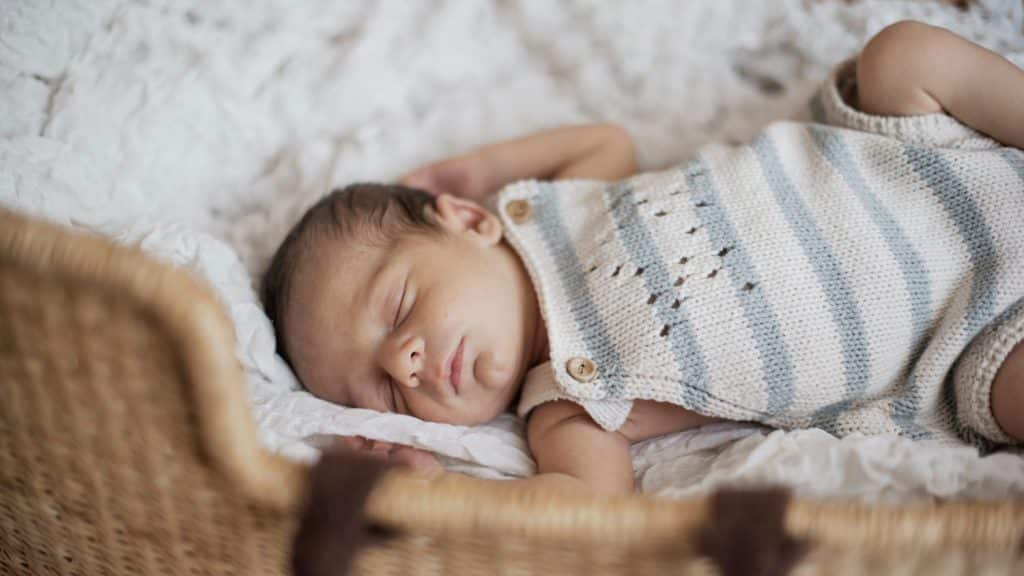
Every baby is different, but some signs may be a cause for concern:
In many cases, the issue is not sleep itself, but the body’s difficulty in relaxing.
Sleep crises in 1 month old babies are common and can be a cause for concern for parents.
During this period, babies may experience changes in their sleep patterns, such as waking up more frequently during the night.
This may be due to a number of factors, such as the development of their nervous system and adaptation to a new environment outside the womb.
If your baby has a sleep crisis at 1 month of age, it is essential to stay calm and follow a regular sleep routine.
Consulting an osteopath who specialises in babies can be beneficial in addressing any stresses that may be affecting their sleep.
Including frequent awakenings or childhood insomnia.
If the child shows delays in reaching developmental milestones such as crawling or walking.
Such as mild scoliosis or gait problems.
A baby’s sleep is closely linked to their nervous system and overall physical comfort.
Some common causes include:
A baby who is not comfortable in their body will have more difficulty falling asleep and sleeping peacefully.
Paediatric osteopathy aims to identify and release tensions that may affect a baby’s well-being.
During the session, we use a very gentle and precise approach to
The goal is not to “make the baby sleep”, but to create the right conditions for natural sleep.

It may be helpful to seek advice if your baby:
The earlier the intervention, the easier it is to help the baby.
Osteopathic baby work is a gentle, non-invasive practice that focuses on assessing and addressing possible tensions and imbalances in the nervous and musculoskeletal systems of babies. Osteopaths specialising in babies are highly trained to perform this type of treatment, which is tailored to the unique needs of young children.
The osteopath will use gentle and gentle techniques to assess the mobility and quality of tissue in the baby's body. This may include assessment of the spine, skull, joints and muscles. The main goal is to identify any tension or restrictions that may be affecting the baby's well-being.
The nervous system controls a wide range of functions in the body, including sleep and relaxation. If there are stresses or restrictions on a baby's nervous system, this can interfere with their ability to fall asleep and rest properly.
To address any tension or restriction you encounter. This may include gentle manipulations of the joints or skull, as well as stretching and mobilisation techniques. Importantly, the treatment is completely safe and comfortable for the baby.
It can help relieve any discomfort or tension that may be contributing to sleep problems. Babies who have experienced birth stresses, such as compression during passage through the birth canal, may especially benefit from osteopathy.
A gentle and respectful approach
Every baby is unique, and the treatment is tailored to their history and individual needs.
Nicolas and Marina answer your questions about osteopathy and your baby's sleep.
Sometimes babies may show signs of sleepiness, such as yawning and rubbing their eyes, but still resist sleep. This can be frustrating for parents, but it is important to understand that it is a normal part of a baby's development. Babies may be interested in exploring their environment and may fight sleep because they don't want to miss anything. In these cases, it is helpful to establish a soothing sleep routine that includes relaxing activities before bedtime and to create a sleep-friendly environment in the baby's room. Also, consider consulting an osteopath who specialises in babies if you suspect they may have tensions that make it difficult to fall asleep.
Babies' sleep goes through different stages of maturation as they grow. In general, newborn babies have irregular sleep patterns, but as they develop, at around 3-4 months, they begin to establish more regular night-time sleep patterns. However, each baby is unique, and sleep maturation can vary.
Sleep windows are periods of time during which a baby is naturally more likely to fall asleep or need sleep. These times are influenced by the baby's circadian rhythm and need for rest, which varies throughout the day. During these sleep windows, the baby may show signs of sleepiness, such as yawning, rubbing the eyes or becoming more inactive.
A baby's sleep regulation usually occurs in the first few months of life, around 3-4 months. During this stage, babies begin to sleep for longer periods during the night and establish a more regular sleep rhythm.
A baby's sleep regulation is achieved gradually as his or her central nervous system matures. Establishing a consistent sleep routine and creating an environment conducive to sleep can help in this process.
A baby's ability to sleep through the night varies, but generally, most babies start sleeping longer stretches at night around 4-6 months. This means they can sleep for 6-8 hours at a time.
A baby typically has several sleep windows throughout the day, which vary in length and frequency depending on their age and circadian rhythm. Newborns may have shorter and more frequent sleep windows, while older babies may have longer and less frequent sleep windows. For example, a newborn may need to sleep every 1-2 hours, while a 6-month-old baby may have sleep windows of 2-3 hours at a time.
The length of sleep windows can vary depending on the baby's age and other individual factors, but can generally last from about 30 minutes to a couple of hours. It is important to observe your baby's sleep cues and respond to them by offering the opportunity to sleep when needed, either through a short nap or a longer sleep.
If a baby's sleep windows are not respected, he or she may become irritable, have difficulty falling asleep or wake more frequently during the night. This is because the baby may be overtired or overstimulated, making it difficult for him or her to relax and sleep soundly. Respecting your baby's sleep windows can help prevent overtiredness and promote better sleep both during the day and at night.
The sleep of a 1-month-old baby is fragmented, with frequent awakenings for feeding. At this age, babies have not yet developed a regular sleep pattern and tend to sleep for short periods.
Newborns do not sleep at night mainly because of their need to feed frequently. Their digestive systems are small and need to be fed regularly, which disrupts night-time sleep.
It is recommended to start establishing a sleep routine for your baby from the first weeks of life, although most babies do not develop a regular sleep pattern until 3-6 months of age. This involves creating a sleep-friendly environment, establishing regular sleep and wake times, and following a series of soothing activities before bedtime to help babies associate bedtime with relaxation and rest.
To create a sleep routine for a newborn, set a fixed bedtime and follow a series of relaxing bedtime activities, such as bathing and reading a bedtime story. Keep the room quiet and dark.
Babies can sometimes be sleepy but resist falling asleep because of their curiosity about their surroundings or need for physical contact. It is important to provide a calm and nurturing environment to help them relax.
To help your baby differentiate day and night, keep bright lights and noise during the day and reduce stimulation at night. Establish a regular sleep routine.
The weight of a 1-month-old baby can vary, but on average, a newborn baby will have gained some weight since birth and may weigh around 3.5 to 4.5 kilograms.
Babies may resist sleep for a variety of reasons, such as the need for physical contact, curiosity about their environment, or the presence of physical stress or discomfort. Osteopathy can be helpful in addressing tensions that affect sleep.
Frequent awakenings in babies may be due to the need to feed, changes in their sleep cycle, discomfort or sleep problems. Identifying the cause can help to address this problem.
Newborns sleep on average 16-17 hours a day, but their sleep patterns are fragmented, and they wake frequently to feed. Over time, their sleep becomes more regular.
Sleep regression may begin at different times for different babies, but usually occurs around the following age periods:
Babies often experience several sleep regressions during their first year of life. Although it varies from individual to individual, it is common for at least three major regressions to occur at the following times:
Lorem ipsum dolor sit amet, consectetur adipiscing elit. Ut elit tellus, luctus nec ullamcorper mattis, pulvinar dapibus leo.